
Freight Factoring Rates Explained: What You Should Really Be Paying in 2026
Home / Blog
Freight Factoring Rates Explained: What You Should Really Be Paying in 2026
- TMG
- January 5, 2026
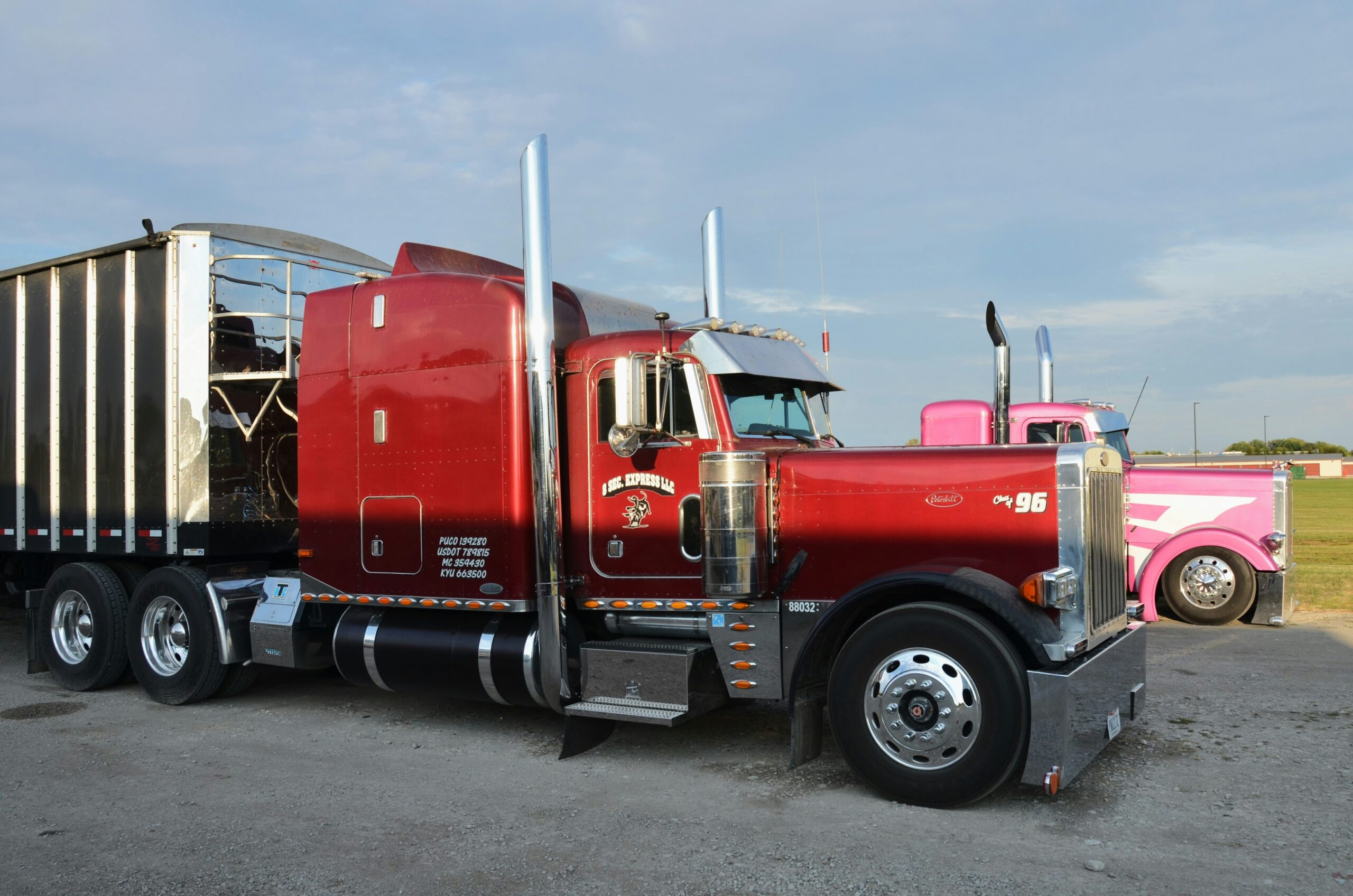
Freight factoring rates can be confusing for trucking companies, especially owner operators and small fleets. Many factoring companies advertise low rates, but the real cost often ends up much higher when adding in additional fees. In 2026, understanding how freight factoring rates truly work is more important than ever due to tight margins and slow broker payments.
This guide explains how freight factoring rates are structured, what a fair rate looks like, and how trucking companies can avoid overpaying. If you are comparing freight factoring companies, this article will help you make a smarter decision. For a free factoring consultation, call 931-273-2301 today.
What Are Freight Factoring Rates?
Freight factoring rates are the fees a factoring company charges to advance cash on unpaid freight invoices. Instead of waiting 30 to 60 days for brokers to pay, trucking companies receive most of their money within 24 hours.
Unlike bank loans, factoring rates are not based on interest. They are based on invoice value, time to payment, and risk.
Most freight factoring companies charge a percentage of each invoice. That percentage is known as the factoring rate.
How Freight Factoring Companies Structure Their Rates
Flat Rate Freight Factoring
A flat rate means the factoring company charges the same percentage regardless of how long the broker takes to pay.
This option is easier to understand and budget for. It is often better for small trucking companies that want predictable costs.
The downside is that flat rates are sometimes higher than advertised tiered rates.
Tiered or Variable Factoring Rates
Tiered rates change based on how long an invoice remains unpaid. The longer it takes the broker to pay, the more the factoring fee increases.
These rates often look cheaper at first, but they can become expensive if payments are slow.
Many trucking companies end up paying more than expected with this structure.
Advance Rates vs Factoring Fees
Advance rates and factoring fees are not the same thing.
The advance rate is the percentage of the invoice you receive upfront. This is often 90 percent to up to 100 percent. If you do not receive a 100% advance rate, then you have what is called a reserve account. This is extra money taken out of the invoice and put in to a reserve account. You will be able to withdraw this money once the invoice has been paid to the factor.
The factoring fee is the cost you pay for the service. A high advance rate does not mean a low cost.
What Is a Good Freight Factoring Rate in 2026?
In 2026, most freight factoring rates fall between 1.5 percent and 4 percent per invoice. The exact rate depends on several factors including broker credit, monthly volume, and payment speed.
A good rate is not always the lowest rate. A fair rate is transparent, consistent, and free of surprise fees. It is advised to not jump on the lowest rate, because in the end this could end up being the higher rate. The details are in the fees, do not only look at the rate.
Trucking companies should focus on total cost, not just the advertised percentage.
Hidden Fees That Increase Your Real Cost
ACH, Wire, and Same Day Funding Fees
Some factoring companies charge extra for same day funding or wire transfers. These fees add up quickly over time.
Credit Check and Setup Fees
Initial setup fees and ongoing credit check fees are common. Many truckers do not realize these are not standard across all factoring companies.
Monthly Minimums and Termination Fees
Monthly minimums force you to factor invoices even when you do not need cash flow. Early termination fees can trap trucking companies in bad contracts.
Reserve Account Delays
Some factoring companies hold a reserve and delay releasing it. This impacts cash flow and increases the effective cost of factoring. This goes back to your advance rate. If it is a 100% advance rate, then you do not need to worry about a reserve account delay.
Freight Factoring Rates vs Other Cash Flow Options
Factoring vs Broker Quick Pay
Broker quick pay can seem cheaper, but it often reduces your rate per load. It also ties you to specific brokers.
Factoring gives more flexibility and broader coverage, and is cheaper most of the time. A factoring rate also includes a back office and collections.
Factoring vs Bank Lines of Credit
Bank loans require strong credit, collateral, and long approval times. Many small trucking companies do not qualify.
The U.S. Small Business Administration explains common financing options for small businesses.
Factoring vs Business Credit Cards
Credit cards are expensive due to high interest rates. They also create long term debt instead of improving cash flow.
What Impacts the Rate a Trucking Company Receives?
Age of Authority
New authorities usually pay higher rates due to limited operating history.
Broker Credit Quality
Stronger brokers mean lower risk. Factoring companies charge less when brokers have good payment histories.
Carrier registration and authority information can be found through the Federal Motor Carrier Safety Administration.
Freight Type and Lane Consistency
Consistent freight and reliable lanes lower risk and help reduce rates.
Invoice Volume and Frequency
Higher volume often leads to better pricing, especially with transparent factoring companies.
Recourse vs Non Recourse Factoring and Pricing
Recourse factoring means the trucking company is responsible if the broker does not pay.
Non recourse factoring protects against broker insolvency but usually costs more. Be careful, because non recourse only protects you if the broker files bankruptcy. Any type of short pay or dispute is not covered in non-recourse, and will fall back on you.
Many truckers misunderstand what non recourse actually covers. A basic explanation of factoring structures can be found on Investopedia.
How to Calculate the True Cost of Freight Factoring
To calculate true cost, look at the factoring fee, payment time, extra charges, and contract terms.
For example, a 2 percent rate that increases weekly can cost more than a 3 percent flat rate.
Always ask for a full cost breakdown based on real payment timelines. When reviewing the terms, you may find that the 2.5% deal is better than the 1.5% deal when considering all of the extra fees that come with the 1.5% rate.
How to Get the Best Freight Factoring Rate
Ask factoring companies to explain all fees in writing.
Avoid long term contracts with heavy termination penalties.
Choose a factoring partner that focuses on relationships, not volume alone. A good factoring relationship could be worth more than the 0.5% cheaper fee in the long run for your business.
Transparency is more valuable than the lowest advertised rate.
Why Many Trucking Companies Overpay for Freight Factoring
Many owner operators sign contracts without understanding the fine print because they are only focused on the rate.
Others stay with a factoring company out of convenience, even as costs increase.
Switching freight factoring companies can often save thousands per year.
Why TMG Takes a Different Approach to Freight Factoring Rates
TMG focuses on clear pricing with no surprise fees.
Rates are explained upfront so trucking companies know exactly what they are paying.
The goal is long term partnerships that help trucking companies grow, not short term profits.
Freight factoring rates in 2026 require careful evaluation. The cheapest option is not always the best option. Trucking companies should focus on transparency, total cost, and flexibility when comparing freight factoring companies.
Understanding how rates work helps you protect your cash flow and your business.
If you want a clear and honest breakdown of what freight factoring would actually cost your trucking company, TMG is ready to help.